
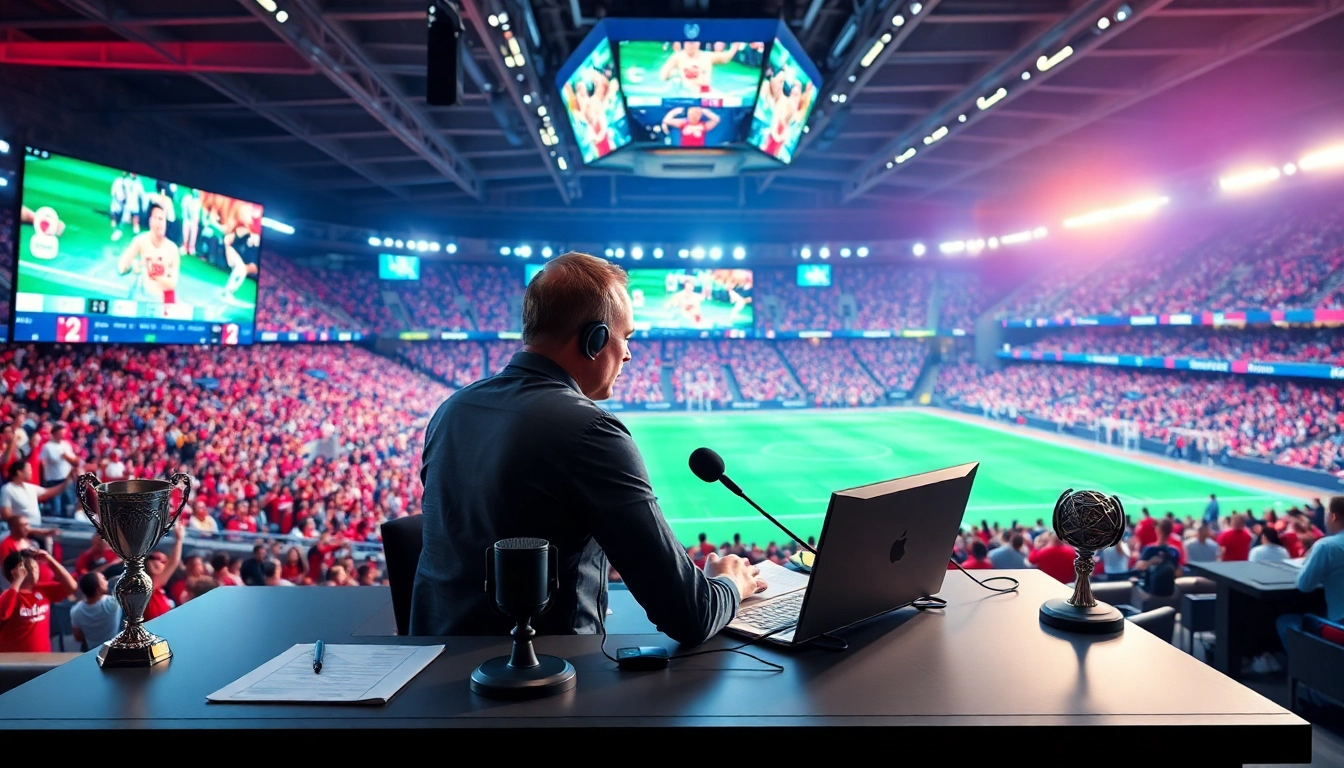
The Evolution of Sports Broadcasting
Sports broadcasting has undergone a remarkable transformation over the years, becoming a vital component of how fans consume sports today. From humble beginnings in radio broadcasts to the sophisticated live-streaming services that dominate the industry, the trajectory of Sports Broadcasting illustrates advancements in technology, shifts in viewer preferences, and creative storytelling approaches. In this comprehensive exploration, we delve into the evolution, techniques, and future of sports broadcasting.
Historical Overview of Sports Broadcasting
The history of sports broadcasting can be traced back to the early 20th century, where the first radio broadcasts of sporting events began to appear. The 1930s marked a significant turning point, as stations like NBC offered live coverage of major events, making sports accessible to the masses for the first time. The introduction of television in the 1950s further revolutionized sports broadcasting, as fans could now enjoy the thrill of watching their favorite teams and athletes in the comfort of their homes.
Key Milestones in the Industry
Several key milestones have defined the sports broadcasting landscape. The first televised baseball games in 1939, the establishment of ESPN in 1979 as the first 24-hour sports network, and the advent of cable and satellite broadcasting in the late 1990s all played crucial roles in shaping the industry. These developments paved the way for the rise of niche sports networks and the growth of global sports broadcasting rights, transforming local events into international spectacles.
Impact of Technology on Sports Broadcasting
Technology has dramatically altered how sports are broadcasted. High-definition imaging and advancements in camera technology, such as ultra-slow-motion replays, have enhanced the viewing experience. Today, broadcasters utilize drones for aerial shots and augmented reality for on-screen graphics, providing viewers with enriched, immersive experiences. The integration of data analytics also allows for real-time statistics, providing deeper insights into player performances and strategies.
Understanding Sports Broadcasting Techniques
Mastering sports broadcasting involves a blend of technical skill, storytelling, and audience engagement techniques. Successful broadcasters must understand not only the sport they are covering but also how to communicate compelling narratives that resonate with viewers.
Commentary Styles and Their Effects
Commentary is a crucial element of sports broadcasting that can significantly influence viewer experience. Various styles, such as play-by-play and color commentary, serve distinct purposes. While play-by-play announcers provide a detailed account of the action, color commentators add context and analysis, enriching the viewing experience. The choice of style can affect audience engagement, making it essential for broadcasters to select approaches that align with the energy of the event.
Use of Graphics and Statistics
Visual aids in broadcast sports can transform viewer engagement. A well-placed graphic can highlight statistics, player performances, and historical context, adding layers of meaning to the on-field action. Infographics, player bios, and animations enhance storytelling by offering viewers information they might not grasp from the game alone, driving further interest and understanding.
Engaging the Audience Through Storytelling
Storytelling is at the heart of captivating sports broadcasts. By weaving narratives around athletes, teams, and events, broadcasters create emotional connections with their audiences. These stories can be built on a range of elements, from personal athlete journeys to team rivalries, encouraging viewer investment and loyalty. Effective storytelling can lead to increased viewership and a more passionate fan base.
The Role of Digital Platforms in Sports Broadcasting
As technology continues to evolve, digital platforms have taken center stage in how audiences access sports content. They provide new opportunities for engagement, interaction, and content distribution, vital for the future of sports broadcasting.
Social Media Strategies for Broadcasters
Social media has transformed the landscape of sports broadcasting by enabling direct engagement between broadcasters, teams, and fans. Platforms like Twitter, Instagram, and TikTok allow sports organizations to share highlights, promote events, and engage audiences in real-time discussions. Developing a cohesive social media strategy is critical for both reaching and retaining viewers in an increasingly competitive environment. Interactive polls, Q&As, and fan-centered content are effective means to leverage social media for engagement.
Streaming Services vs. Traditional Broadcasting
The rise of streaming services has changed the dynamics of sports broadcasting. Consumers now prefer the flexibility of watching live sports on-demand, leading networks to adapt their strategies to include streaming options. While traditional broadcasting still holds a significant share of the market, many viewers favor the accessibility and personalized content offerings of streaming platforms. Broadcasters must navigate this shift by integrating their offerings across both traditional and digital platforms.
Enhancing Viewer Experience with Interactive Content
Interactive content is becoming an integral part of the viewer experience. Enhancements, such as live polls during games, interactive graphics, and augmented reality experiences, engage viewers beyond traditional watching. Implementing such features can create a more immersive viewing experience, leading to greater audience satisfaction and retention. It's crucial for broadcasters to continually innovate and find new ways to keep viewers interactive and interested throughout events.
Best Practices in Sports Broadcasting
To excel in the competitive field of sports broadcasting, professionals must adhere to best practices that enhance quality, compliance, and audience engagement.
Licensing and Compliance in Sports Broadcasting
Understanding and adhering to licensing agreements is vital in sports broadcasting. Broadcasters must ensure that they have the rights to air specific content and comply with regulations governing broadcasting standards. Failing to do so can result in legal repercussions and damage to a broadcaster's reputation. Establishing clear processes for negotiating and maintaining these licenses is essential for operational integrity.
Measuring Audience Engagement and Success
Metrics for audience engagement, including viewer ratings, social media interactions, and demographic data, provide valuable insights into the effectiveness of broadcasting strategies. Regularly analyzing this data allows broadcasters to understand viewer preferences and adjust content accordingly. Implementing feedback mechanisms, such as surveys, can provide direct insight into what audiences value most in sports broadcasts.
Adapting to Changing Viewership Trends
The sports broadcasting landscape is constantly evolving. Broadcasters must stay attuned to changing viewership preferences, especially among younger audiences who may prefer alternative formats and platforms. Adapting to these trends by diversifying content offerings and exploring new distribution channels is crucial for remaining relevant and competitive in the industry.
The Future of Sports Broadcasting
The future of sports broadcasting promises to be both exciting and complex, driven by technological advancements and evolving viewer preferences.
Emerging Technologies Impacting Broadcasting
Emerging technologies such as virtual reality (VR), artificial intelligence (AI), and 5G connectivity are poised to revolutionize sports broadcasting. VR could offer immersive viewing experiences as if fans were on-site, while AI could power analytics tools that provide real-time insights during live events. These technologies will redefine how broadcasters engage with audiences and present content, paving the way for innovative broadcasting strategies.
Predictions for the Next Decade
Looking ahead, we can expect significant transformations in sports broadcasting. Innovations will likely lead to richer, more personalized content experiences as broadcasters leverage data analytics to tailor broadcasts based on viewer preferences. Social interaction will become increasingly ingrained in the live event experience, further blending entertainment and engagement.
How to Stay Competitive in Sports Broadcasting
Staying competitive in sports broadcasting requires a commitment to innovation, audience engagement, and adaptability. Broadcasters should invest in technology, explore new content distribution methods, and establish partnerships with digital platforms to enhance reach. Continuous training and development of personnel will also ensure that broadcasters remain proficient in the latest techniques and trends, maintaining a competitive edge in a fast-paced industry.
FAQs
What is sports broadcasting?
Sports broadcasting refers to the distribution of live or recorded sports events via various platforms, including TV, radio, and online streaming services.
How has technology changed sports broadcasting?
Technology has improved graphics, enabled live streaming, enhanced analytics, and created immersive viewer experiences through HD visuals and interactive content.
What are the best practices for sports broadcasters?
Best practices include ensuring compliance with licensing, engaging audiences through social media, measuring success via analytics, and adapting to viewership trends.
How do broadcasters measure audience engagement?
Broadcasters measure engagement through metrics such as viewership ratings, social media interactions, and audience demographics to gauge effectiveness.
What trends are shaping the future of sports broadcasting?
Key trends include the rise of streaming services, integration of VR and AI, personalized content delivery, and enhanced interactive experiences for viewers.